
Article: Language of Patterns: Symbolism in East-West Fashion
Language of Patterns: Symbolism in East-West Fashion
Patterns Speak Louder Than Words
Before we had written languages, we had patterns. Geometric forms, floral repeats, and symbolic motifs weren’t decoration—they were communication. In East-West fashion, these ancient visual languages continue to speak, telling stories of faith, fertility, power, and protection.
Symbols Across Cultures
A tulip can mean love in the Ottoman Empire and national pride in the Netherlands. A circle may represent infinity in Eastern mysticism and unity in Western minimalism. Fashion bridges these meanings through placement, repetition, and texture—turning garments into messages.
Patterns as Identity Carriers
When worn, these motifs become cultural statements. A garment isn’t just a garment—it’s a flag, a memory, a prayer. Whether it’s a Turkish tile motif on a hoodie or a lotus flower embroidered onto denim, these elements carry historical depth into daily wear.
The Role of the Artisan in Preserving Symbolism
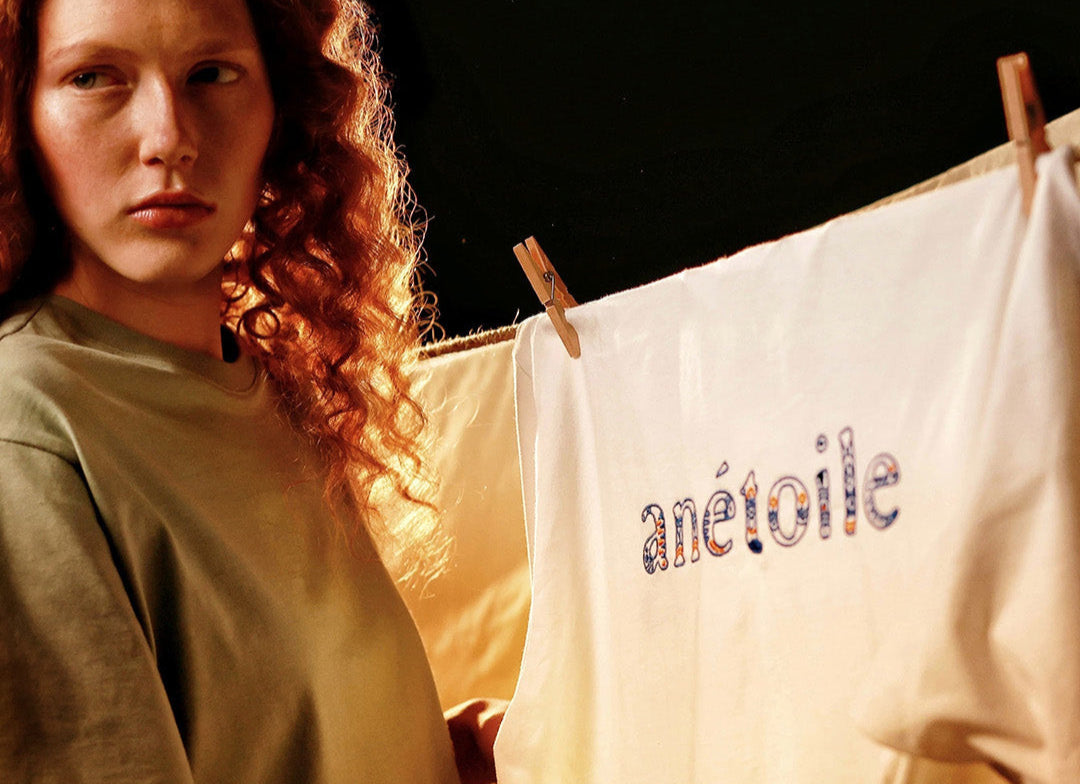
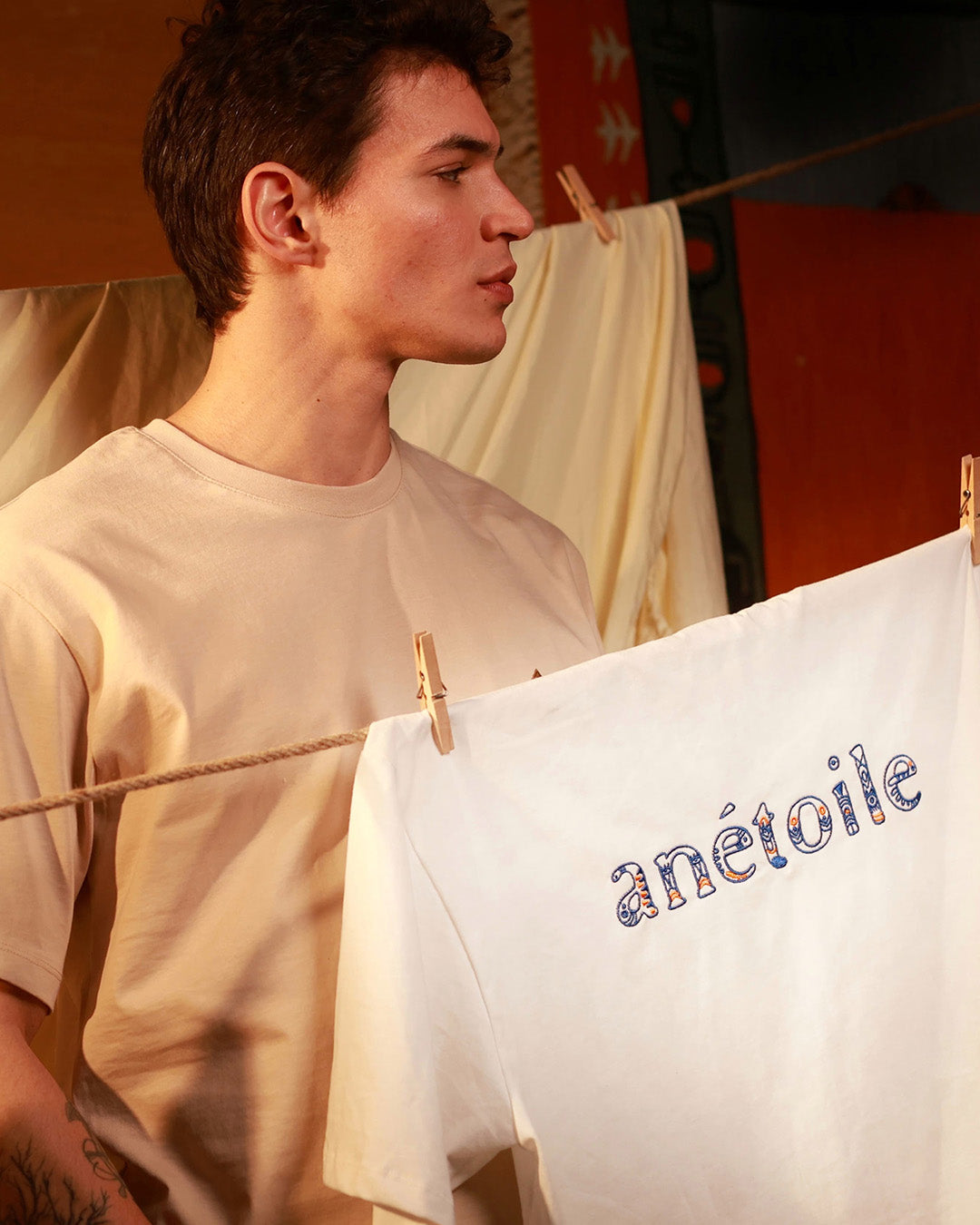
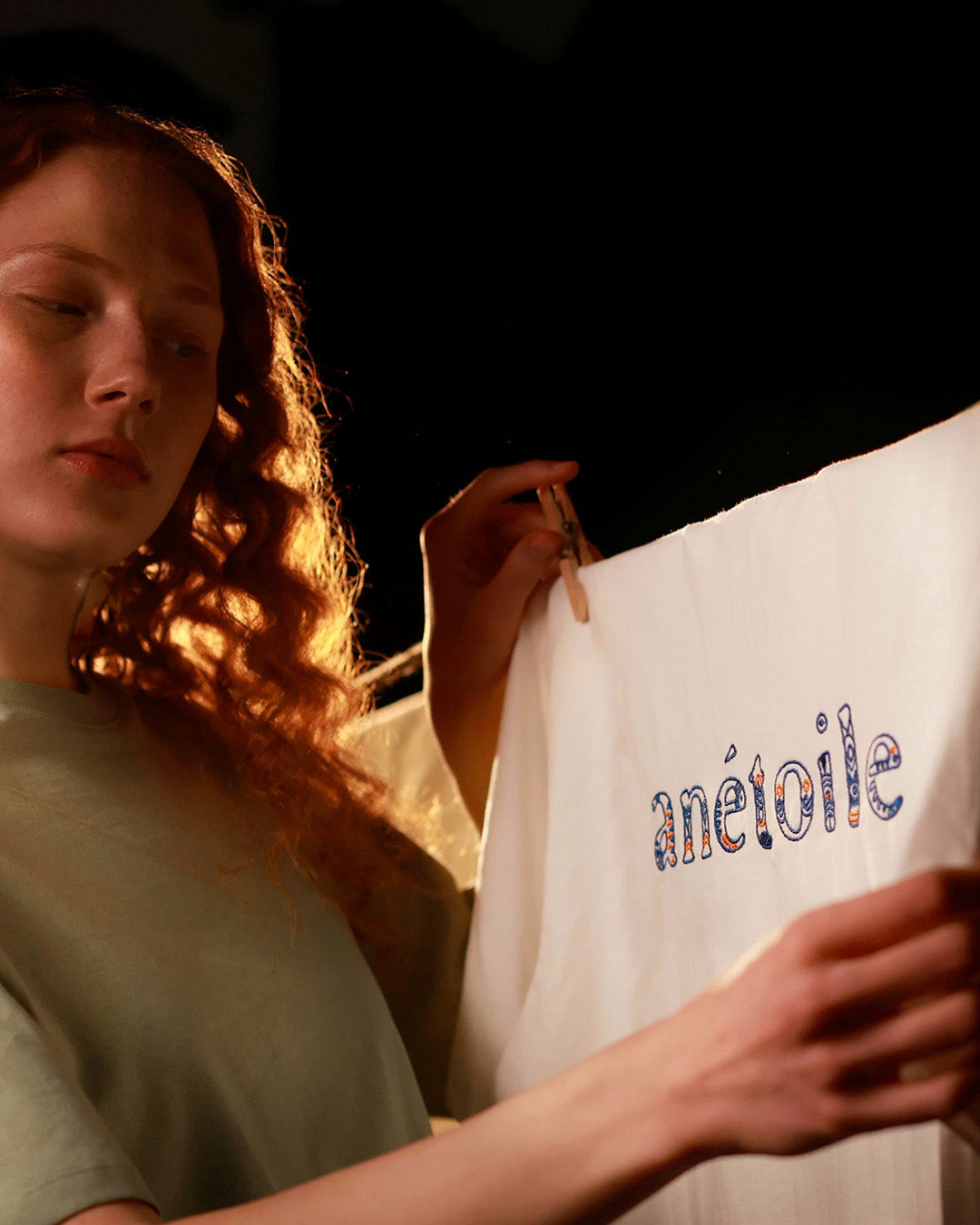
Artisans are fluent in this pattern language. Their hands remember symbols modern tools forget. Anétoile’s partnership with regional craftspeople ensures that symbolic accuracy isn’t lost in translation. Every motif has context, every pattern a purpose.
East-West as Complement, Not Contrast
Rather than choosing between East and West, Anétoile invites them to harmonize. A Dutch geometric base might hold Persian floral symmetry. Japanese spacing meets Anatolian repetition. It’s not one over the other—it’s two voices speaking one language.
Conclusion: Read Between the Stitches
In East-West fashion, nothing is random. Patterns carry memory. Texture carries meaning. And through the visual language of symbolism, fashion doesn’t just clothe—it communicates.